Making Financial Data Actionable

Making Financial Data Actionable

FlowPay

FlowPay

My role

My role

Product designer

Product designer

The team

The team

PM, SA and UI Designer

PM, SA and UI Designer

Duration

Duration

10 month

10 month

Main project image
Main project image

Company & Product Context

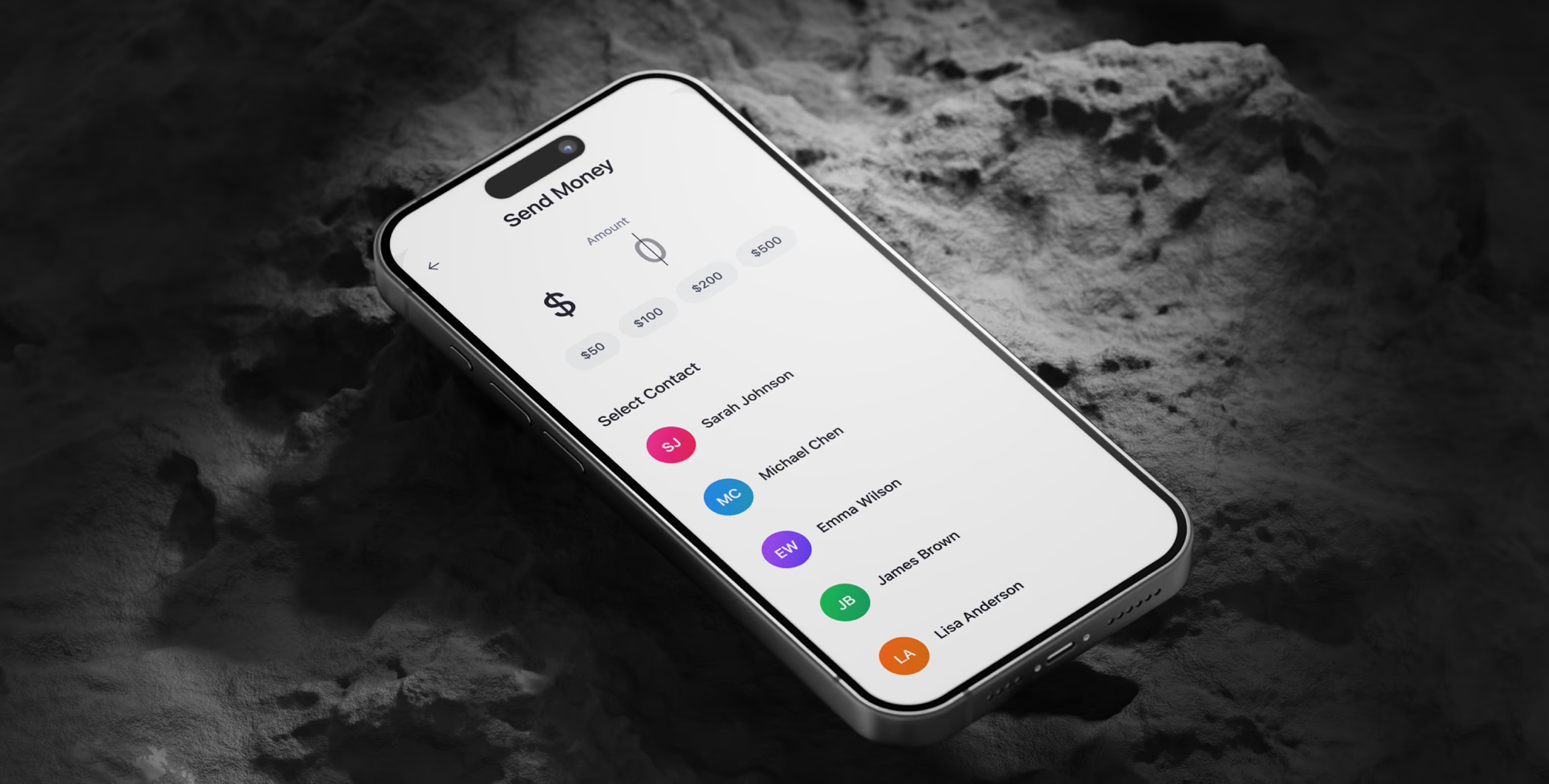
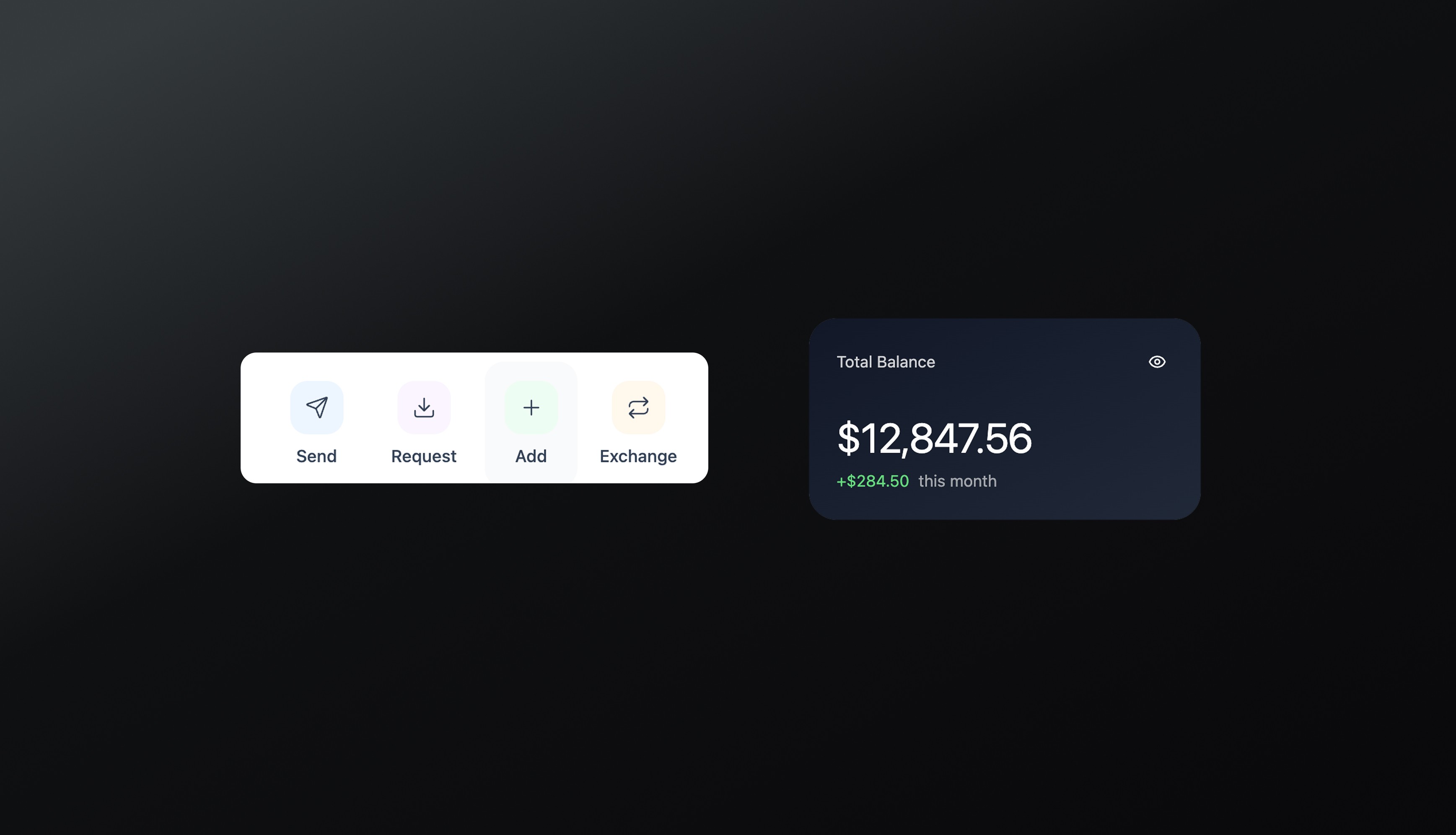
The company builds a fintech platform that helps small and mid-sized businesses manage cash flow, payments, and financial reporting from a single dashboard. The product consolidates bank accounts, transactions, invoices, and financial insights into a unified experience used daily by founders and finance teams. As the customer base grew, the platform expanded in features but struggled to maintain clarity, especially for non-financial users who needed quick answers rather than detailed reports. The core dashboard became the primary touchpoint for understanding financial health and making day-to-day decisions.

My contribution

Product designer responsible for discovery, UX strategy, interface design, and validation. I worked closely with product management, engineering, and data teams to redesign the core financial experience, focusing on clarity, trust, and decision-making. My role involved translating complex financial data into understandable patterns while balancing regulatory constraints and technical limitations.
Company & Product Context

The company builds a fintech platform that helps small and mid-sized businesses manage cash flow, payments, and financial reporting from a single dashboard. The product consolidates bank accounts, transactions, invoices, and financial insights into a unified experience used daily by founders and finance teams. As the customer base grew, the platform expanded in features but struggled to maintain clarity, especially for non-financial users who needed quick answers rather than detailed reports. The core dashboard became the primary touchpoint for understanding financial health and making day-to-day decisions.

My contribution

Product designer responsible for discovery, UX strategy, interface design, and validation. I worked closely with product management, engineering, and data teams to redesign the core financial experience, focusing on clarity, trust, and decision-making. My role involved translating complex financial data into understandable patterns while balancing regulatory constraints and technical limitations.
The problem

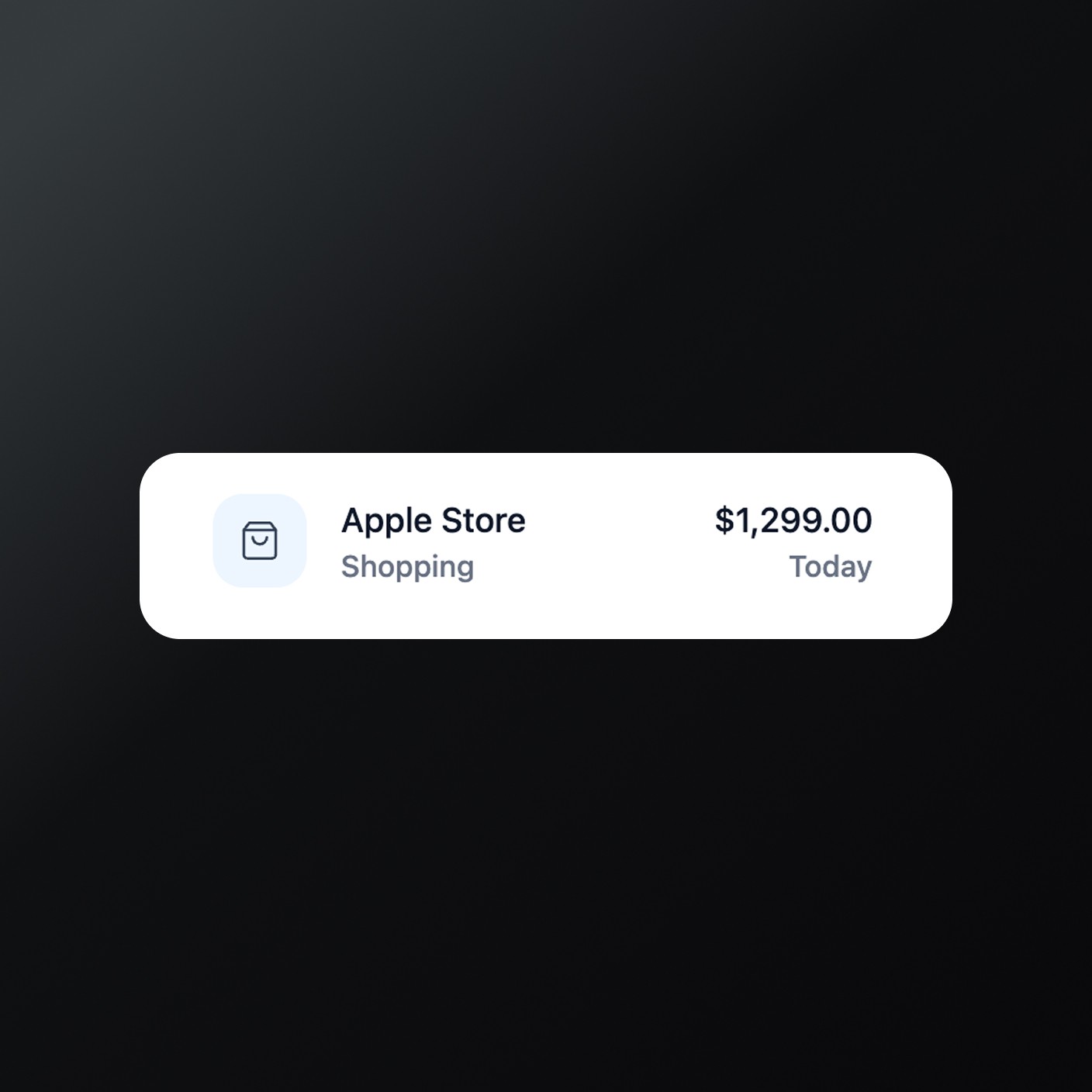
Users struggled to understand their financial position at a glance. Key information such as cash runway, upcoming payments, and account balances was scattered across multiple views, forcing users to navigate between screens to build context. This made routine financial decisions slower and increased uncertainty, especially for users without a finance background.

Core issue

The product exposed too much financial data without clear hierarchy. Users found it difficult to distinguish what required immediate attention from what could be reviewed later, leading to hesitation and reduced confidence when taking action.

Business issue

If dispatchers could not confidently manage daily operations using FleetSync, customers would continue relying on legacy tools.

The problem

Users struggled to understand their financial position at a glance. Key information such as cash runway, upcoming payments, and account balances was scattered across multiple views, forcing users to navigate between screens to build context. This made routine financial decisions slower and increased uncertainty, especially for users without a finance background.

Core issue

The product exposed too much financial data without clear hierarchy. Users found it difficult to distinguish what required immediate attention from what could be reviewed later, leading to hesitation and reduced confidence when taking action.

Business issue

If dispatchers could not confidently manage daily operations using FleetSync, customers would continue relying on legacy tools.

project image
project image

Discovery

To ground decisions in real behavior, I ran a discovery phase combining qualitative and quantitative insights from both customers and internal teams. The goal was to understand how dispatchers actually work during a typical day, especially under pressure.

Discovery

To ground decisions in real behavior, I ran a discovery phase combining qualitative and quantitative insights from both customers and internal teams. The goal was to understand how dispatchers actually work during a typical day, especially under pressure.

Research methods

Customer interview

We conducted 12 interviews with dispatchers and operations managers working across different fleet sizes.

Workshops

Two cross-functional workshops to align product, design, and operations on key problems.

Survey

A short survey to validate which data points must be visible.

Quantitative data

Review of product usage data to identify underused and misunderstood features.

User test

Moderated usability tests on early dashboard concepts to validate clarity and comprehension.

Research methods

Customer interview

We conducted 12 interviews with dispatchers and operations managers working across different fleet sizes.

Workshops

Two cross-functional workshops to align product, design, and operations on key problems.

Survey

A short survey to validate which data points must be visible.

Quantitative data

Review of product usage data to identify underused and misunderstood features.

User test

Moderated usability tests on early dashboard concepts to validate clarity and comprehension.

Findings

Findings

Interviews focused on daily routines, edge cases, and moments where the current system slowed them down.

Interviews focused on daily routines, edge cases, and moments where the current system slowed them down.

Needs

Clear financial signals

Users needed a small set of trusted metrics that summarize financial health.

Predictability and reassurance

Users wanted to understand what would happen next, not just what already happened.

Confidence before action

Users wanted to understand what would happen next, not just what already happened.

Pain points

Information overload

Dashboards surfaced too many numbers at once, increasing cognitive load instead of reducing it.

Unclear prioritization

Critical alerts and routine information were visually similar, making it hard to focus on what really mattered most.

Needs

Clear financial signals

Users needed a small set of trusted metrics that summarize financial health.

Predictability and reassurance

Users wanted to understand what would happen next, not just what already happened.

Confidence before action

Users wanted to understand what would happen next, not just what already happened.

Pain points

Information overload

Dashboards surfaced too many numbers at once, increasing cognitive load instead of reducing it.

Unclear prioritization

Critical alerts and routine information were visually similar, making it hard to focus on what really mattered most.

Workshops: Vision alignment

Workshops: Vision alignment

We ran a series of cross-functional workshops to align on what “financial clarity” means for different user roles. Instead of focusing only on speed, teams agreed that the product should prioritize confidence, accuracy, and decision readiness. This shared vision helped frame financial data as a tool for action.

We ran a series of cross-functional workshops to align on what “financial clarity” means for different user roles. Instead of focusing only on speed, teams agreed that the product should prioritize confidence, accuracy, and decision readiness. This shared vision helped frame financial data as a tool for action.

project image
project image
project image
project image
project image
project image
project image
project image
project image
project image

Define, Valitation, iterate

Wireframing and testing

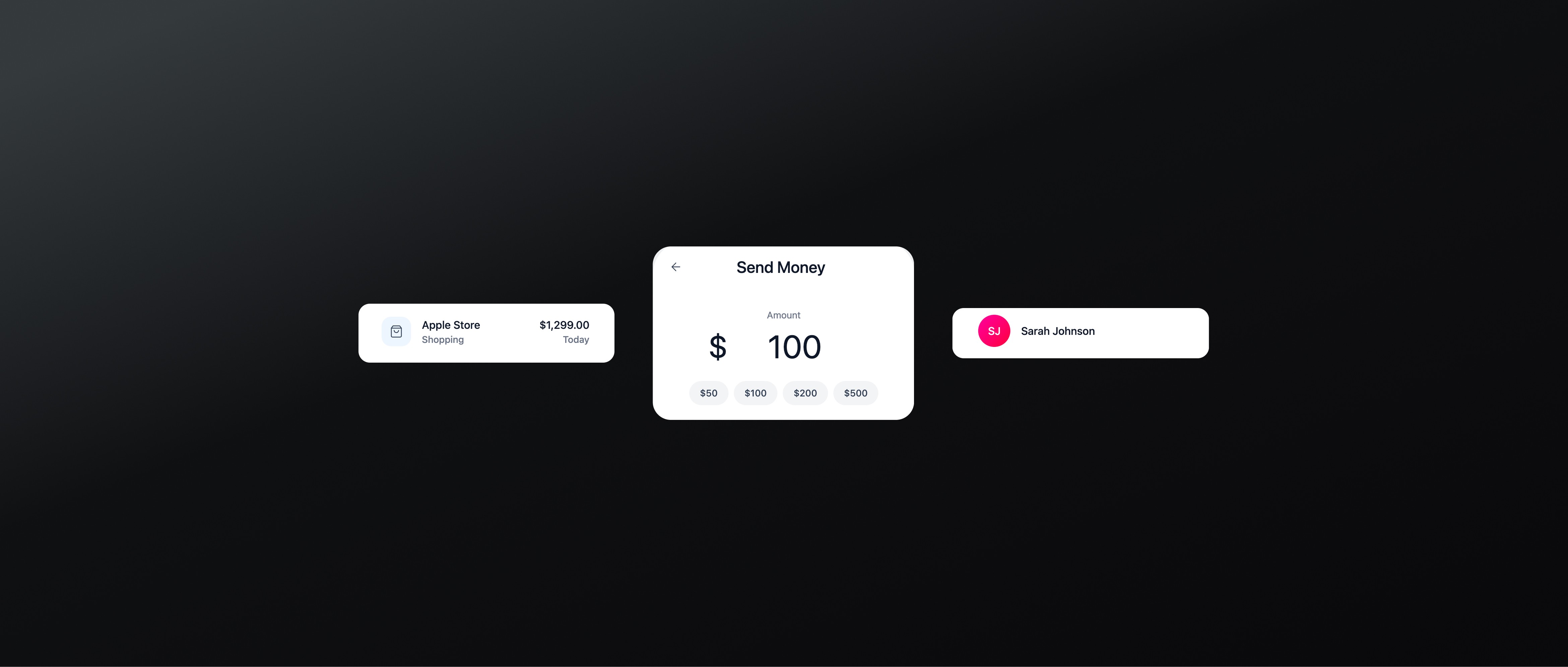
We started with low-fidelity wireframes to explore multiple layout directions quickly. Each iteration was reviewed with stakeholders and tested with users. Feedback was continuously incorporated, allowing us to converge on a solution that balanced simplicity, trust, and scalability.
project image
project image

Feedback from customers

Ongoing feedback sessions with customers and internal finance teams helped validate early assumptions and refine priorities. Users consistently emphasized the importance of clarity and trust over feature density. These insights guided multiple iterations of the experience before moving into full validation.

Positive feedbacks

Usage

Most users reported faster task completion when using the new dashboard. Simplified navigation and clearer data grouping reduced time spent searching for key financial information during daily operations.

Easy to use

Customers described the experience as intuitive and easy to learn. The interface required minimal explanation, allowing new users to become productive quickly.

History

Users appreciated the clear breakdown of balances, transactions, and fees. Improved visibility into financial activity increased confidence and reduced the need to check data across tools.

Feedback from customers

Ongoing feedback sessions with customers and internal finance teams helped validate early assumptions and refine priorities. Users consistently emphasized the importance of clarity and trust over feature density. These insights guided multiple iterations of the experience before moving into full validation.

Positive feedbacks

Usage

Most users reported faster task completion when using the new dashboard. Simplified navigation and clearer data grouping reduced time spent searching for key financial information during daily operations.

Easy to use

Customers described the experience as intuitive and easy to learn. The interface required minimal explanation, allowing new users to become productive quickly.

History

Users appreciated the clear breakdown of balances, transactions, and fees. Improved visibility into financial activity increased confidence and reduced the need to check data across tools.

Core workspace usage
85%
Communication engagement
65%
Visual data reliance
92%
Secondary features usage
48%
Advanced feature adoption
73%

Outcome and impact

The redesigned Live Operations view was rolled out progressively to a subset of FleetSync customers managing medium and large fleets. The new experience focused on improving situational awareness, reducing reaction time, and supporting faster decision-making during daily operations.

Outcome and impact

The redesigned Live Operations view was rolled out progressively to a subset of FleetSync customers managing medium and large fleets. The new experience focused on improving situational awareness, reducing reaction time, and supporting faster decision-making during daily operations.

Create a free website with Framer, the website builder loved by startups, designers and agencies.