From Data to Decisions
From Data to Decisions
FleetSync
FleetSync
My role
My role
Product designer
Product designer
The team
The team
PM, SA and UI Designer
PM, SA and UI Designer
Duration
Duration
10 month
10 month
Company & Product Context
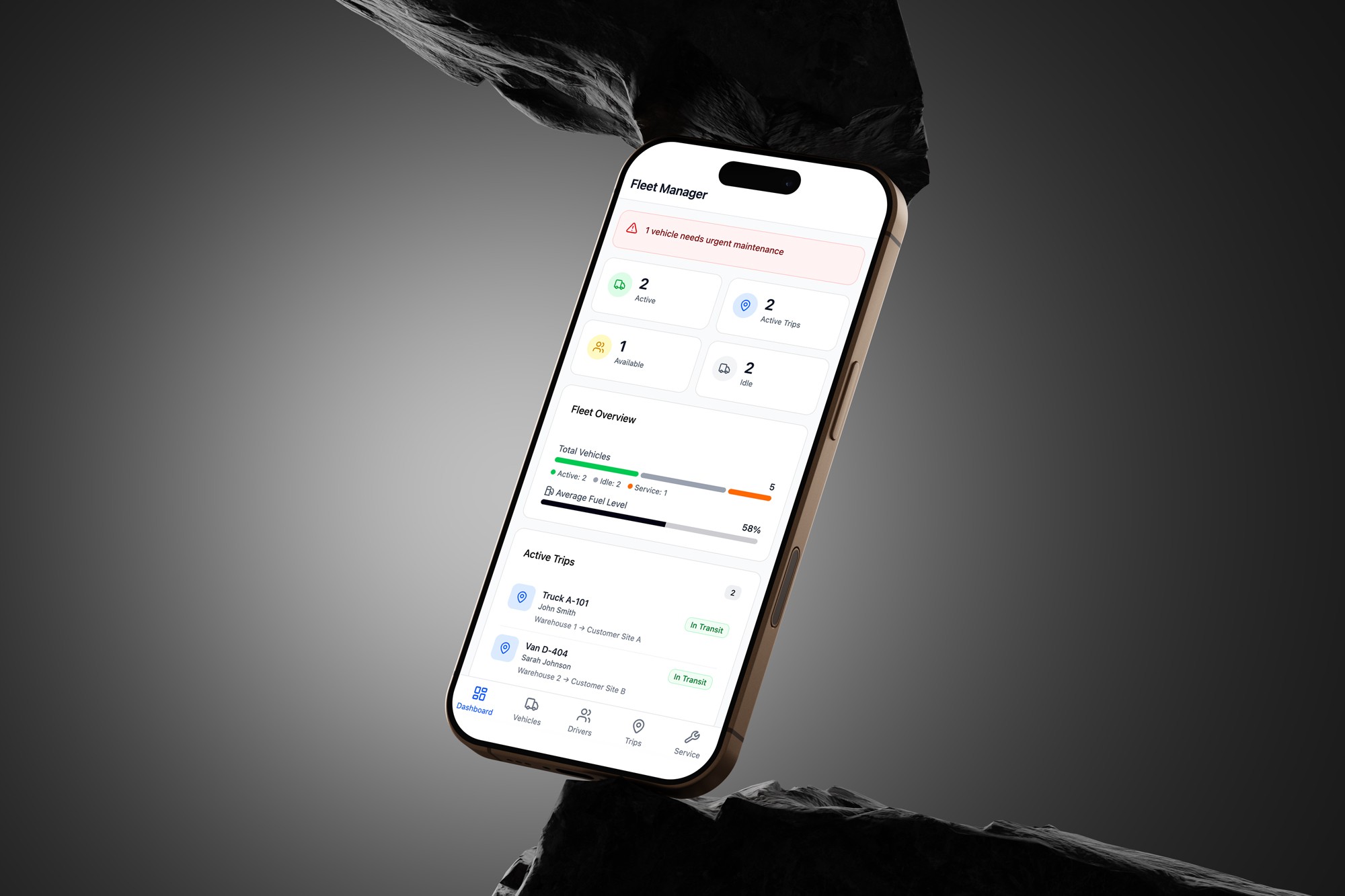
FleetSync builds operational software for transportation providers managing large commercial fleets across Europe. The platform helps operations teams monitor vehicle location, trip progress, driver activity, and operational exceptions through a centralized web application. As FleetSync scaled to support larger customers, the product evolved toward replacing fragmented internal tools with a single, unified operational system. The Operations Dashboard became the primary interface used daily by dispatchers to coordinate vehicles and communicate with drivers in real time.
My contribution
I worked as the product designer across strategy, discovery, design, and validation. My role focused on understanding dispatcher workflows, aligning stakeholders on priorities, and translating complex operational needs into a scalable interface. I collaborated closely with product management, engineering, and customer support to ensure solutions were feasible, usable, and aligned with business goals.
The problem
As FleetSync onboarded larger fleets, the Operations Dashboard struggled to support increasing operational complexity. Dispatchers needed to monitor more vehicles, react to more exceptions, and coordinate more drivers, all while switching between multiple screens and external tools. Critical information was fragmented across tabs, making it difficult to maintain situational awareness during peak hours.
Core issue
Dispatchers lacked a clear, real-time overview of fleet status. Important signals such as delays, inactive vehicles, or urgent messages were buried behind interactions, forcing users to rely on memory, manual checks, or external tools.
Business issue
If dispatchers could not confidently manage daily operations using FleetSync, customers would continue relying on legacy systems and tools.
The problem
As FleetSync onboarded larger fleets, the Operations Dashboard struggled to support increasing operational complexity. Dispatchers needed to monitor more vehicles, react to more exceptions, and coordinate more drivers, all while switching between multiple screens and external tools. Critical information was fragmented across tabs, making it difficult to maintain situational awareness during peak hours.
Core issue
Dispatchers lacked a clear, real-time overview of fleet status. Important signals such as delays, inactive vehicles, or urgent messages were buried behind interactions, forcing users to rely on memory, manual checks, or external tools.
Business issue
If dispatchers could not confidently manage daily operations using FleetSync, customers would continue relying on legacy systems and tools.
Discovery
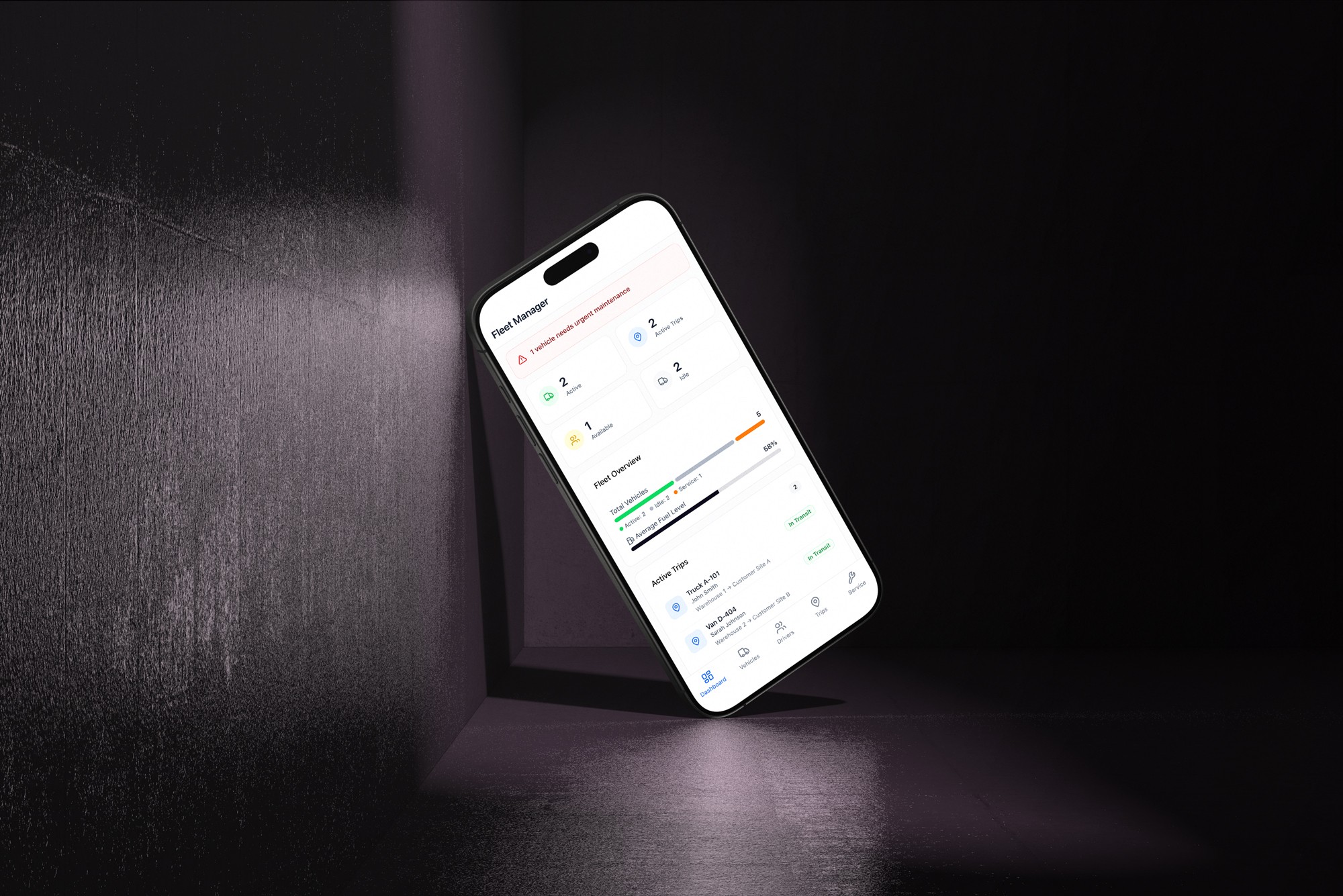
To ground decisions in real behavior, I ran a discovery phase combining qualitative and quantitative insights from both customers and internal teams. The goal was to understand how dispatchers actually work during a typical day, especially under pressure.
Discovery
To ground decisions in real behavior, I ran a discovery phase combining qualitative and quantitative insights from both customers and internal teams. The goal was to understand how dispatchers actually work during a typical day, especially under pressure.
Research methods
Customer interview
We conducted 12 interviews with dispatchers and operations managers working across different fleet sizes.
Workshops
Two cross-functional workshops to align product, design, and operations on key problems.
Survey
A short survey to validate which data points must be visible.
Quantitative data
Analysis of usage patterns from active customers to identify friction points.
User test
Tested several version with 12 customers in total.
Research methods
Customer interview
We conducted 12 interviews with dispatchers and operations managers working across different fleet sizes.
Workshops
Two cross-functional workshops to align product, design, and operations on key problems.
Survey
A short survey to validate which data points must be visible.
Quantitative data
Analysis of usage patterns from active customers to identify friction points.
User test
Tested several version with 12 customers in total.
Findings
Findings
Interviews focused on daily routines, edge cases, and moments where the current system slowed them down.
Interviews focused on daily routines, edge cases, and moments where the current system slowed them down.
Needs
Clear operational data before visual context
Dispatchers rely primarily on structured data (status, timestamps) to make decisions quickly.
Flexible overview depending on experience level
Senior users prefer dense information, while newer users need clearer guidance and prioritization.
Flexible overview depending on experience level
Senior users prefer dense information, while newer users need clearer guidance and prioritization.
Pain points
Fragmented communication
Messages from drivers, alerts, and system updates lived in separate areas, forcing users to constantly switch views.
Lack of prioritization
Not all events require the same urgency, but the system treated them equally.
Needs
Clear operational data before visual context
Dispatchers rely primarily on structured data (status, timestamps) to make decisions quickly.
Flexible overview depending on experience level
Senior users prefer dense information, while newer users need clearer guidance and prioritization.
Flexible overview depending on experience level
Senior users prefer dense information, while newer users need clearer guidance and prioritization.
Pain points
Fragmented communication
Messages from drivers, alerts, and system updates lived in separate areas, forcing users to constantly switch views.
Lack of prioritization
Not all events require the same urgency, but the system treated them equally.
Workshops: Vision alignment
Workshops: Vision alignment
3 cross-functional workshops to align problem understanding (Product Designers x4, PM, Tech Lead, Operations) We ran a series of collaborative workshops to align on what "real-time operations" actually mean for fleet managers. Instead of defining Live as speed alone, teams agreed that Live should support fast investigation, context switching, and decision confidence. This helped frame real-time data as a starting point for action, not just monitoring.
3 cross-functional workshops to align problem understanding (Product Designers x4, PM, Tech Lead, Operations) We ran a series of collaborative workshops to align on what "real-time operations" actually mean for fleet managers. Instead of defining Live as speed alone, teams agreed that Live should support fast investigation, context switching, and decision confidence. This helped frame real-time data as a starting point for action, not just monitoring.
Define, Valitation, iterate
Wireframing and testing
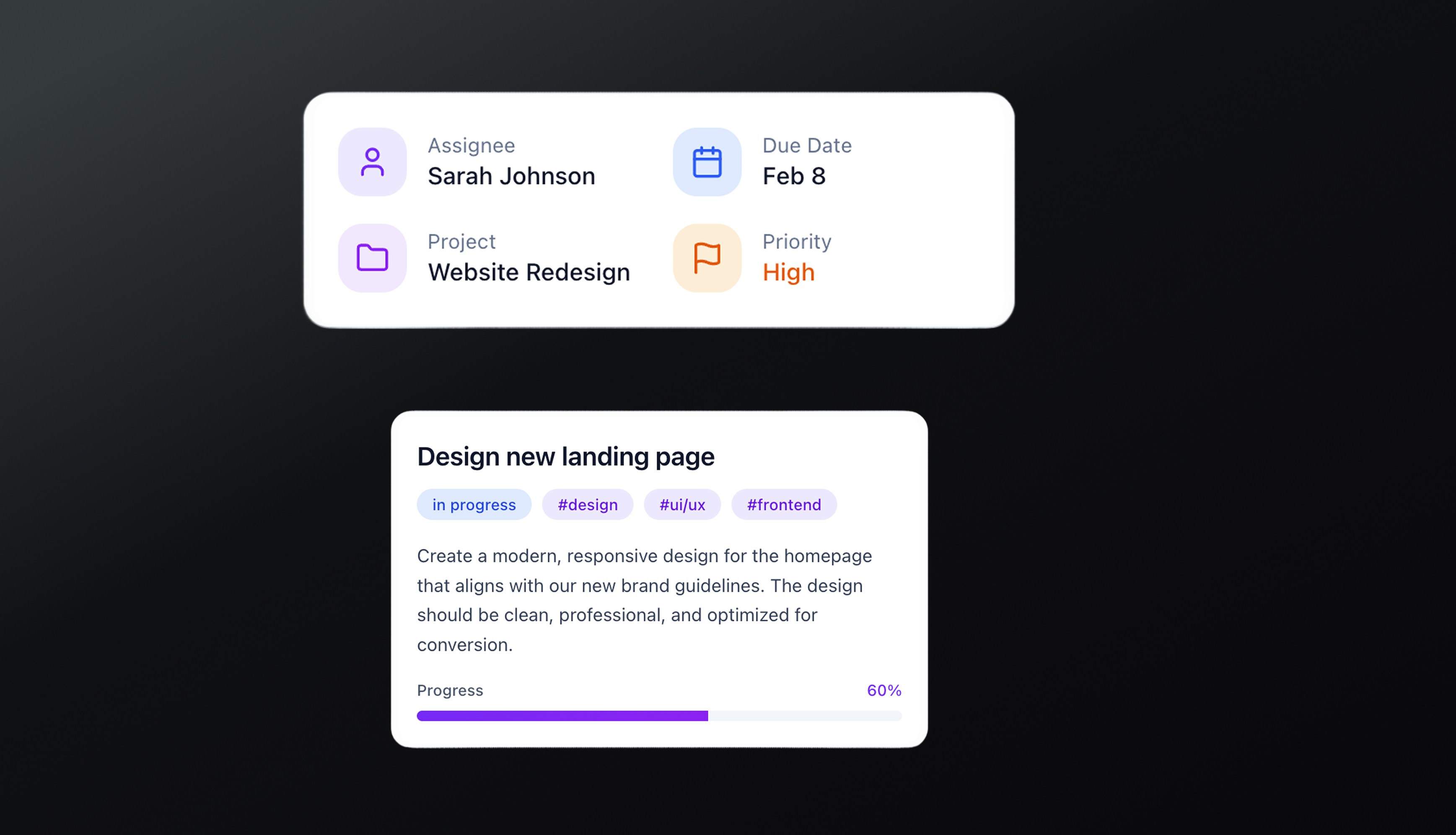
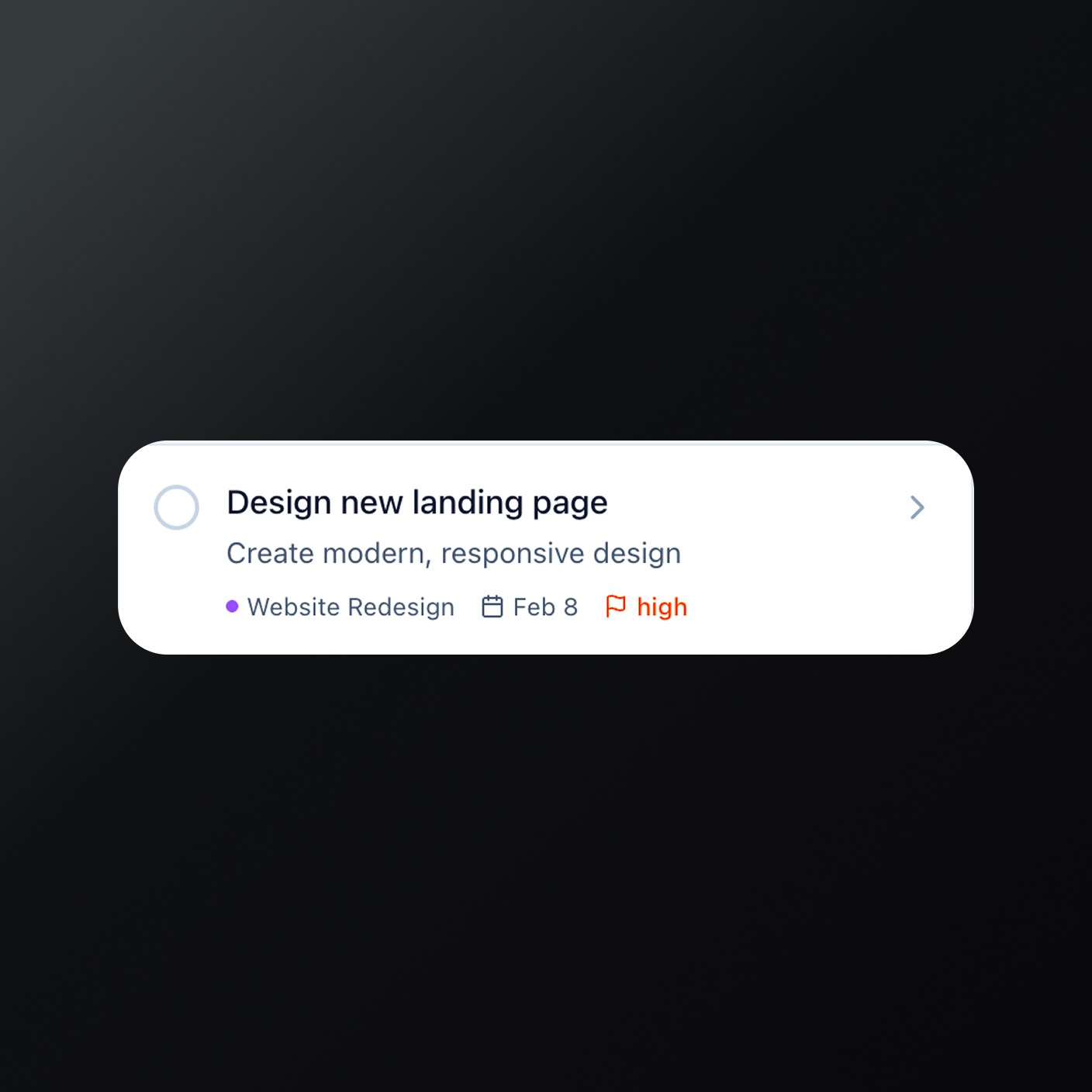
We started with low-fidelity wireframes to explore multiple layout directions quickly. Each iteration was reviewed with internal stakeholders before being tested with customers. Feedback was incorporated continuously, allowing us to converge on a solution that balanced operational speed, clarity, and scalability.
Feedback from customers
Ongoing feedback sessions with dispatchers and operations managers helped us validate early assumptions and refine priorities. Customers emphasized the need for clarity over density, and consistency over flexibility. These sessions guided multiple iterations of the concept before moving into validation.
Positive feedbacks
Usage
Most participants reported faster task completion when using the new layout. Reduced navigation steps and clearer information hierarchy helped dispatchers react more quickly during peak operational hours.
Easy to use
Customers perceived the solution as a clear improvement compared to their existing tools. The interface felt more predictable and required less explanation, especially for new team members.
History
Users confirmed that historical data is mainly used for investigations. As a result, it was deprioritized in the primary view and moved to a secondary layer, reducing visual noise in daily operations.
Feedback from customers
Ongoing feedback sessions with dispatchers and operations managers helped us validate early assumptions and refine priorities. Customers emphasized the need for clarity over density, and consistency over flexibility. These sessions guided multiple iterations of the concept before moving into validation.
Positive feedbacks
Usage
Most participants reported faster task completion when using the new layout. Reduced navigation steps and clearer information hierarchy helped dispatchers react more quickly during peak operational hours.
Easy to use
Customers perceived the solution as a clear improvement compared to their existing tools. The interface felt more predictable and required less explanation, especially for new team members.
History
Users confirmed that historical data is mainly used for investigations. As a result, it was deprioritized in the primary view and moved to a secondary layer, reducing visual noise in daily operations.
Outcome and impact
The redesigned Live Operations view was rolled out progressively to a subset of FleetSync customers managing medium and large fleets. The new experience focused on improving situational awareness, reducing reaction time, and supporting faster decision-making during daily operations.
Outcome and impact
The redesigned Live Operations view was rolled out progressively to a subset of FleetSync customers managing medium and large fleets. The new experience focused on improving situational awareness, reducing reaction time, and supporting faster decision-making during daily operations.